
Pool Light Replacement in Lake Havasu City, AZ
Pool light replacement and installation in Lake Havasu City. LED pool lights fitted into the existing niche, tested on a GFCI, sealed and synced to your controller. No draining the pool. Power off before the first screw comes out.

Schedule Service!
Pool light replacement that fixes the whole circuit along with the bulb
A dark pool light in Havasu is rarely a bulb alone. The fixture has spent the summer in 90-degree water behind an old gasket. The cord runs through a conduit that filled with monsoon water. And the breaker that feeds it may have no GFCI at all. Swap the bulb and the new one goes dark in a month. Or worse, the light stays on with water inside it. A pool light replacement done right starts at the breaker and ends at the lens.
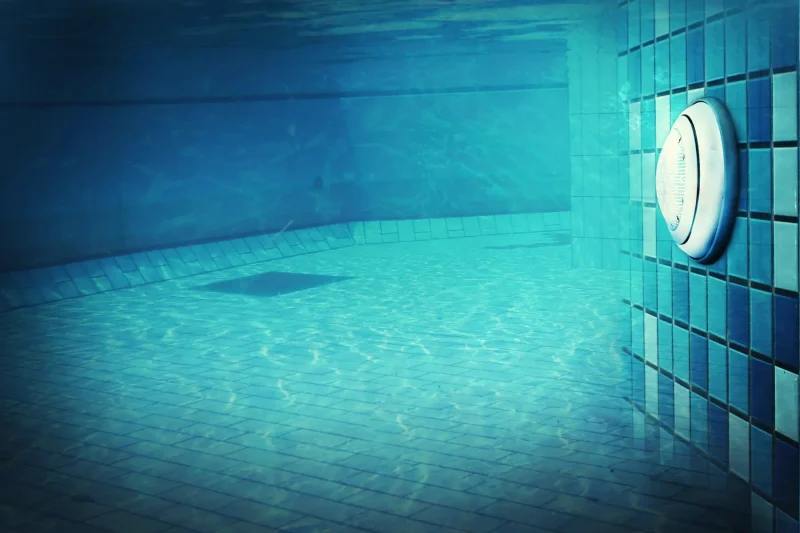
JM Pool Service replaces and installs pool lights across Lake Havasu City on the same route that cleans and repairs pools. We fit full LED fixtures from Pentair, Hayward and Jandy that drop into the existing wet niche. Where the fixture is sound, a retrofit LED bulb does the job. Every pool light installation includes a GFCI test, a bonding check on the niche and a new gasket and lens seal. The cord stays long enough to bring the light to the deck next time.
This page covers what a pool light replacement includes here and how we decide between a new LED fixture and a pool light bulb replacement. It also covers why 12-volt lights are the Havasu default. And it covers the safety rules that make a pool light different from any other light in the house. Cost is in the FAQs at the bottom. We quote every pool light after a look at the niche, the junction box and the breaker.
Need pool service? Get in touch with us and schedule your FREE pool service quote from JM Pool Service
We Are Experts With:




What a pool light replacement includes in Lake Havasu City
Six steps, and none of them involve draining the pool. A wet-niche light comes out of the wall on its cord and sits on the deck while we work on it.
Diagnosing a pool light not working: bulb, gasket, GFCI or cord
Before we order anything, we find out why the light is dark. When a tripped GFCI resets and holds, the bulb is the likely culprit. If it trips again within seconds, there is water in the fixture or a damaged cord. When the breaker holds with the light off and trips the moment it switches on, the fixture has a short. Flicker, or a dim half-ring, means an LED driver on its way out. And water visible behind the lens settles it. That fixture is a replacement no matter what else tests fine. Water inside a sealed light never dries out.
LED pool light replacement: full fixture or retrofit bulb
Two ways to go LED. A retrofit LED bulb screws into the old incandescent fixture and costs the least. It only makes sense when the housing, lens, gasket and cord are all sound. A full LED fixture replaces the whole light on its cord and drops into the existing niche. It arrives sealed from the factory with a new lens and gasket.
In Havasu the full fixture wins most of the time. A 20-year-old housing with a new bulb in it still has a 20-year-old gasket. The Department of Energy puts LED savings at 75 percent or more over incandescent, with a life up to 25 times longer. On a pool light that runs every summer evening, that means a decade without a bulb change instead of one every two years.
12-volt or 120-volt pool lights
Pool lights come in two voltages. A 120-volt light runs straight off the house circuit. Anything over 15 volts in the water needs a GFCI, so this one does. A 12-volt light runs through a transformer in the junction box. The voltage in the water is then too low for a fault to deliver a dangerous shock. Most new LED pool lights are 12-volt for that reason. When we replace a 120-volt light, we usually recommend a move to 12-volt with a transformer. That goes double on older Havasu pools. The transformer sits in or next to the deck junction box, bonded like everything else on the pad.
Wet niche, cord length and the junction box
A wet niche is a metal or plastic cup set in the pool wall that floods with water, and the light sits inside it. The cord runs from the fixture through a conduit to a junction box on the deck. That box has to sit above the water line and above the deck, so the conduit drains away from it. The cord has to reach the deck with the fixture attached. That is how a light gets changed without draining the pool.
Sometimes the old cord is too short, or the conduit is cracked and holding water. Then the job changes. We can usually pull a new cord through a sound conduit. A crushed conduit means a repair, or a fixture that mounts in the niche with a shortened cord and a sealed connection.
GFCI, bonding and the 30-year-old pool problem
Here a pool light differs from every other light in the house. The niche ring, the fixture and the transformer all bond to the pool’s equipotential grid. That stops a fault from putting a voltage difference between the light ring and a ladder or handrail. The circuit runs through a GFCI that trips at about 5 milliamps.
Pools built more than 30 years ago often have no GFCI on the lighting circuit at all, and Havasu has a lot of pools from that era. When we find one, the GFCI goes in as part of the replacement. The power goes off at the breaker before the first screw comes out. It stays off until the light sits sealed in the niche again.
Sealing, testing and the color controller
With the new fixture on the deck, we feed the cord through the conduit and make the connection in the junction box. The fixture then goes back in the niche with a new gasket and the retaining screw. We power it up and test the GFCI with its test button and with a plug tester. A color-changing LED syncs to its controller or automation system. We show you the sequence for changing modes, because every brand does it differently. Then we write the fixture model and the voltage on the pad.
One last check before we pack up: the light runs for twenty minutes while we watch the lens for fog. A fixture that seals badly shows it in the first half hour as the warm air inside meets cool water. Catching that on the deck beats finding it on a GFCI trip in August.
When a Lake Havasu City pool light needs replacing, not a bulb
A bulb is the answer when the GFCI holds, the lens is dry inside, the gasket is soft and the cord is undamaged. Everything else calls for a fixture. That list includes water behind the lens, a gasket gone hard or flat, and a cracked lens. A cord with a nick or a swollen spot and a corroded niche ring are on it too. It also includes any 120-volt fixture on a circuit with no GFCI. An LED fixture that has lost a color or a segment joins the list too. Its driver sits sealed inside and cannot be serviced.
Age is the other signal. A fixture past 15 Havasu summers has a gasket that has been through 15 cycles of hot water and cold. Its lens carries 15 years of calcium and UV. Replacing the fixture before it leaks costs less. After a leak, water has tripped the GFCI a dozen times and corroded the junction box. When the problem turns out to sit in the panel or the pool’s wiring rather than the light, that is on our pool repairs page.
Why pool lights fail faster in Lake Havasu City
Three reasons, and they all start with heat. Pool water here sits above 85 degrees for four months. A sealed fixture running in warm water runs hotter still. Gaskets harden faster. LED drivers are electronics in a sealed can, and they age with every degree. The deck junction box bakes in direct sun. The splices inside loosen and corrode as the box swings from 140 degrees at noon to 60 at night.
Calcium is the second. Havasu water builds scale on the lens and the niche ring. Scale on a niche ring is what stops the bonding connection from doing its job. Part of every light replacement is cleaning the ring back to bare metal before the new fixture goes in. On a salt pool the ring gets a second look, because salt water speeds up corrosion on any metal that is not bonded well.
Monsoon water is the third. A conduit that stayed dry for ten years fills in one August storm. When the junction box sits low, the water finds the splices. We set every box we touch above the deck and above the water line, and we check that the conduit drains before the new light goes in. A bead of sealant where the conduit enters the box keeps the next storm out as well.
Who replaces your pool light in Lake Havasu City
The same insured JM Pool Service tech who services your pool on the weekly route. One person who knows the niche, the junction box and the breaker before writing the quote. They share a pad with the pump, after all. When a bulb and a gasket will do, you hear that. If the fixture or the circuit is the problem, you get a quote with the voltage, the fixture model and the GFCI status on it. When the fault runs past the pool wiring into the house panel, we say so. An electrician takes that part. The rest of the pad is on our pool equipment installations page.
Pool light replacement service areas around Lake Havasu City
Our pool light replacement covers Lake Havasu City and about fifteen miles around it. That means the Island District, Downtown, Southside, Southgate, Acoma and Kiowa-Amberwood. It also means Vista Del Sol, Village Parc, the Medical District, the Refuge, North Pointe and out toward the Foothills. If you searched “pool light replacement near me” from anywhere in Havasu, this is the route. The full list is on our pool service area page.
Light replacement is one part of our pool equipment installations work. Weekly pool service checks that the light works and the GFCI holds on every visit. Spa lights are on our spa repair page.
Our Service Areas
- Lake Havasu City
- Acoma
- Downtown Lake Havasu
- Beachcomber Resort
- Kiowa-Amberwood
- Southside
- Village Parc
- Vista Del Sol
- Southgate
- Island District
- Casa De Agua Azul
- Medical District
Pool light replacement FAQs for Lake Havasu City
What Havasu pool owners ask Google about pool lights, and what they ask each other on the community page.
JM Pool Service quotes LED pool light replacement in Lake Havasu City per light, after a look at the niche, junction box and breaker. The fixture sets most of the number, and a color-changing LED costs more than a white one. A GFCI, a 12-volt transformer or a new cord pull adds to it. A retrofit LED bulb in a sound fixture is the lowest-cost route. Every quote lists the voltage, the fixture model and the GFCI status.
Retrofit LED pool bulbs are sold by fixture type and voltage. So the first step is reading the label on your existing fixture or junction box for the brand, the model and whether it is 12-volt or 120-volt. A 120-volt bulb in a 12-volt fixture, or the reverse, fails at once. In Lake Havasu City JM Pool Service carries retrofit bulbs for the common Pentair and Hayward fixtures and checks the voltage before fitting one. A bulb only makes sense when the gasket, lens and cord are sound.
Yes. Any wet-niche pool light in Lake Havasu City can take an LED. It can be a retrofit bulb in the old fixture or a complete LED fixture that drops into the same niche. The full fixture is the better route on anything past 15 years, because it brings a new gasket, lens and cord. Going to a 12-volt LED with a transformer also takes line voltage out of the water. JM Pool Service does the swap without draining the pool.
A pool light that is not working in Lake Havasu City is usually one of five things. A burned bulb, a tripped GFCI, water inside the fixture, a damaged cord, or a failed LED driver. If the GFCI resets and holds, suspect the bulb. If it trips again at once, suspect water or the cord. Water behind the lens means the fixture is finished. JM Pool Service tests in that order before ordering any part, and never bypasses a GFCI to make a light come on.
LED pool lights last about 10 to 15 years in Lake Havasu City, against two to three years for an incandescent bulb. Warm water and summer heat age the sealed driver faster here than in cooler climates. The low end of that range is the common one. The gasket, not the LED, usually ends the fixture's life. JM Pool Service recommends a full fixture over a retrofit bulb on anything past 15 years for that reason.
No. A wet-niche pool light comes out of the wall on its own cord and sits on the deck while we work on it. The cord reaches the deck by design, which is why the junction box sits above the water line. JM Pool Service replaces pool lights in Lake Havasu City with the pool full and the power off at the breaker.
Not always. Most color-changing LED pool lights change modes when the light switches off and on in a set sequence. A stuck color often means a controller or a timer has interrupted that sequence, and resetting the mode fixes many of them. A light that has lost a color entirely, or shows a dark segment, has a failed driver and needs replacing. JM Pool Service checks the controller and the sequence first on every Lake Havasu City call.
Yes. A 12-volt pool light runs through a transformer, so the voltage in the water is too low for a fault to deliver a dangerous shock. A 120-volt light puts line voltage in the pool and relies on the GFCI and the bonding grid to protect swimmers. Both are legal when installed to code, but most new LED pool lights are 12-volt for that reason. In Lake Havasu City JM Pool Service recommends 12-volt on every replacement, especially on pools older than 30 years.
A bulb swap in a sound fixture is within reach for a careful owner with the power off at the breaker and a new gasket in hand. But a full fixture, a voltage change, a GFCI install or a cord pull touches the bonding grid and the junction box. A mistake there puts voltage in the water. In Lake Havasu City JM Pool Service handles those, tests the GFCI afterward, and tells you when the job runs past the pool wiring into the house panel.
Usually. A GFCI trips when about 5 milliamps leaks out of the circuit. On a pool light that leak is almost always water inside the fixture or a damaged cord. Reset once with the light off. If it holds until the light switches on, the fixture is the problem. If it trips with the light off, the fault sits in the cord, the junction box or the circuit. Never bypass the GFCI to keep the light on. JM Pool Service finds the leak and replaces the part that lets water in.
Still have questions?